Researching and documenting the love legends of Punjab, is an attempt to simultaneously address the geopolitical as well as social contradictions that afflict Southasia in a mass scale today. There has been a need felt for a cultural project in Southasia which brings issues of cross-national and cross-cultural to a level where the mass public can empathise.

Forbidden Love: The Love Legends of Southasia

Tales of overwhelming love thwarted by the forces of societal constraint and circumstance are a staple across Southasia, all the way from the mountains of Afghanistan to the coast of Sri Lanka. Even as the thwarted love of two individuals is the focal point of these stories, they can be read at a number of levels. To begin with, they contain a wealth of information on the cultural norms and compulsions of the times; ranging from the laws of inheritance, the societal view of outsiders, the nature of the people’s relation with their rulers, to the societal, community and familial hierarchy of the times, among other issues.

On another level, the reason for which the union between the two main protagonists is forbidden is also worth studying. Whether the objection is based on the ethnicity, faith, geographical origin, class or caste of the two characters is telling of societal priorities and prejudices. A systemic study of the forbidden in love is crucial to understanding the region outside the purely political framework.

Researching and documenting the four famous love legends of Punjab viz. Heer-Ranjha; Sohni-Mahiwal; Sassi-Punnu; and Mirza-Sahiban, is an attempt to simultaneously address the geopolitical as well as social contradictions that afflict Southasia in a mass scale today.

Beyond that, it is also relevant to contemporary society, at a time when a number of Southasian societies are becoming increasingly rigid and intolerant in their definition of what constitutes an ‘acceptable’ love or marriage. We are also actively using the research material as tools to facilitate workshops with youth across colleges and universities in both, India and Pakistan; opening avenues to bring into the public sphere – free and open discussions on ‘forbidden love’.

Dhangadi and Surkhet at the center for Hri’s exhibition and FSA Screening

January 4, 2023 Travelling Film Southasia (TFSA) as well as the Hri Institute of Southasian...
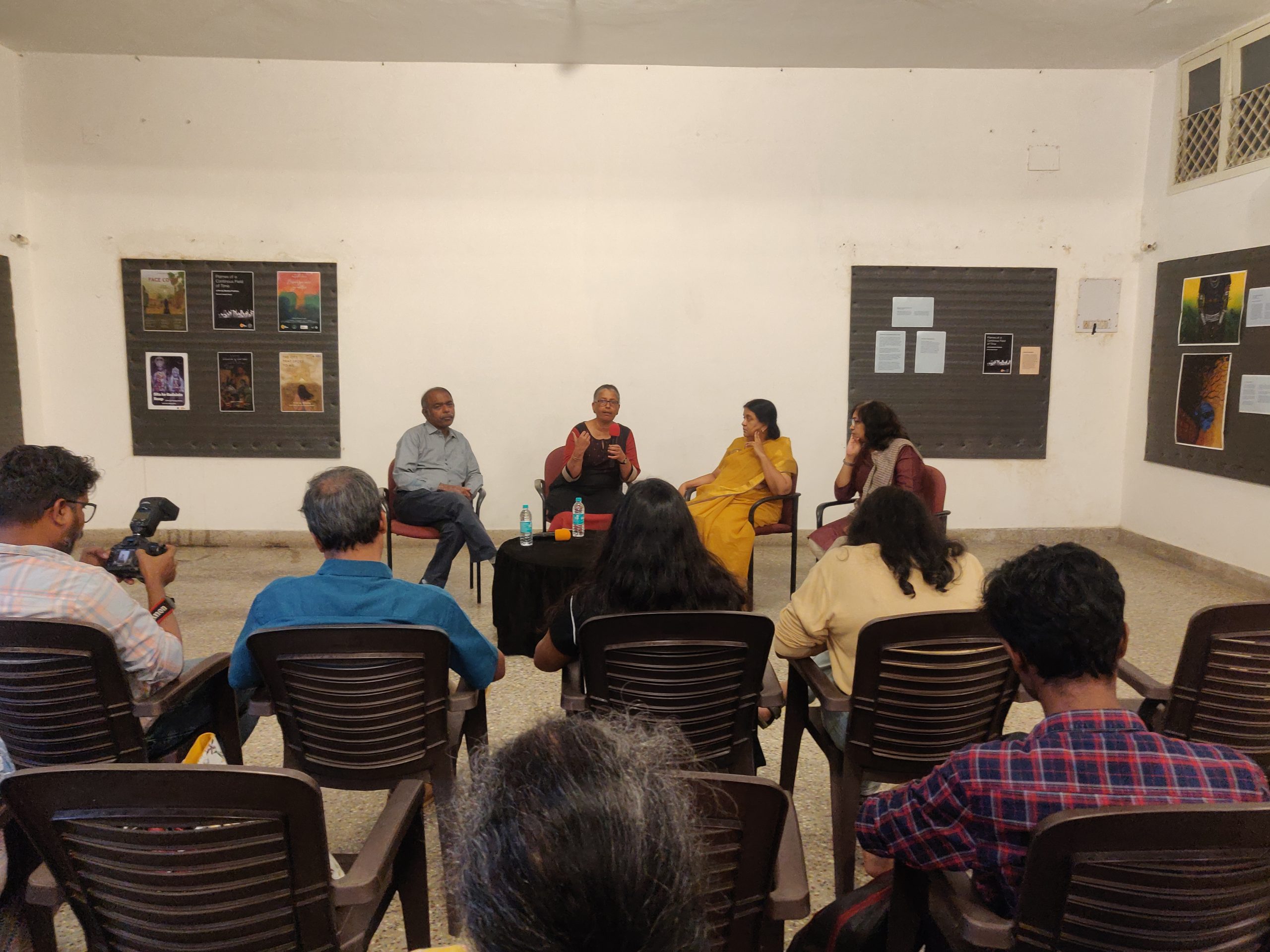
Exhibiting in an archive for future Southasian journalists & archivists

November 20, 2022 From November 8 to 13, the Hri Institute of Southasian Research and...
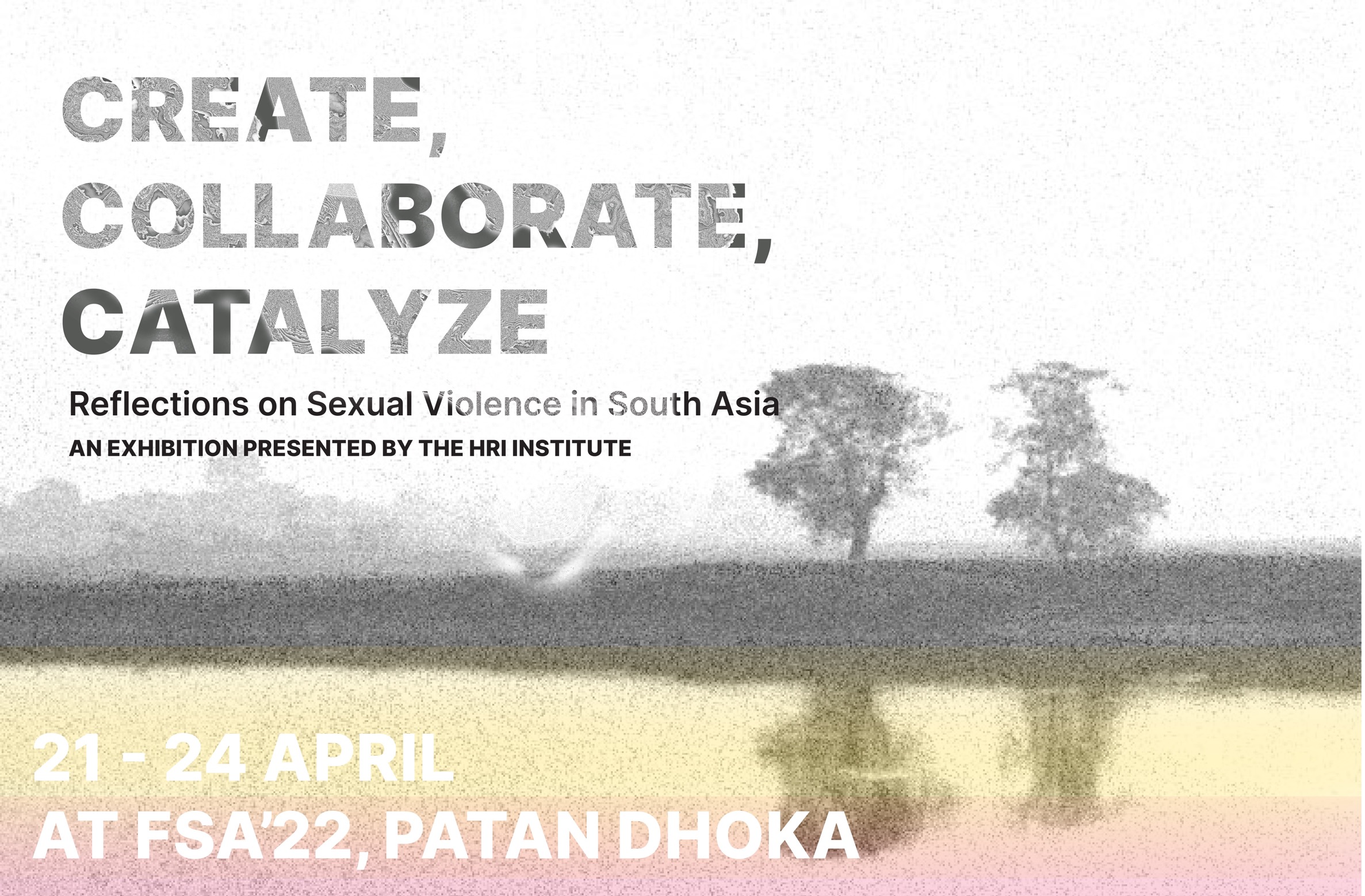
Create, Curate, Collaborate: Reflections on Sexual Violence in Southasia

Through this exhibition we share our journey of exploring the structural roots of sexual violence...

Documentation: The first step

By Lochan Rijal  The music of Nepal’s numerous indigenous communities has the potential to attract...
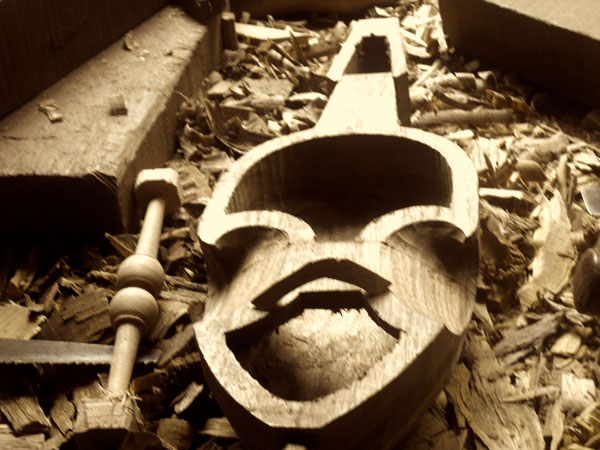
A basic guide to sarangi making

On 22 September, the research team for the Music on the move initiative visited the...
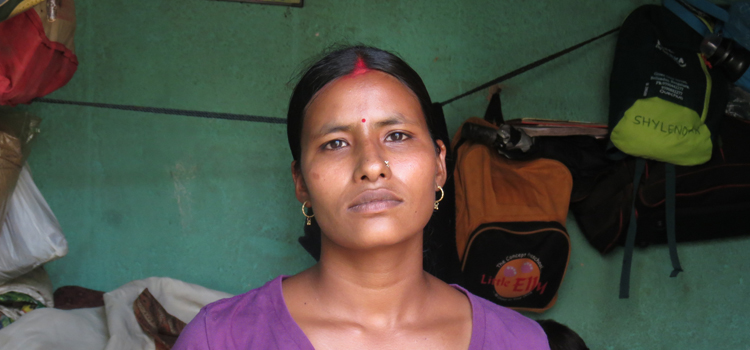
Geethi BK

A House of Her Own Twenty-five year old Geethi BK from Thalinamish village in Bajhang...

Chitrakala Khatri

Set’ In Bangalore Chitrakala Khatri, 38, from Agrakhanchi has a college going son and daughter...
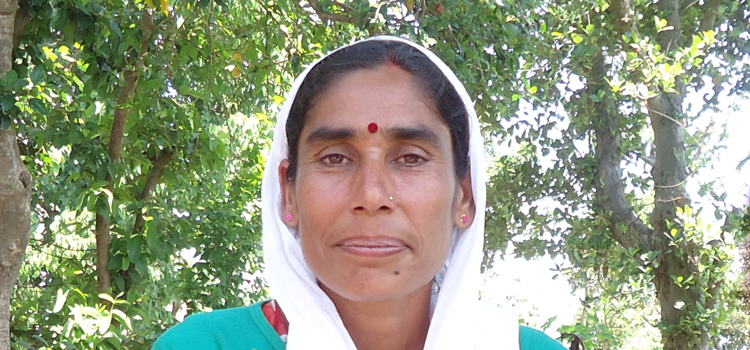
Hira Devi

From Western Nepal to Southern India Travel at your own riskOne of the reasons, why...

IT’S OUR STORY

Location: Bardiya Witnessing their stories and voices curated in an audio visual exhibition is a...